In the before-times I was an office enthusiast, aiming to make the workplace environment great for the teams I managed and/or supervised, and strived to engage and retain talented technology staff in a competitive marketplace. Being in Downtown Denver, engineers, designers, and technical managers could get a job down the street, so we needed an office and a culture that was as comfortable, productive, and collaborative as any other company offered. We had to have work environments that accommodated various working types, job types, and personality types. (see Herzberg’s Motivation Theory regarding working conditions or office hygiene)
All the while, tech companies nearly universally augment full-time staff with contractors or off-shore talent. CFO’s want to save money on FTE’s so we hire cheaper labor. Corporate headquarters in expensive tech hubs open satellite offices to grab cheaper labor in alternate markets. We all know the game, we all play the game.
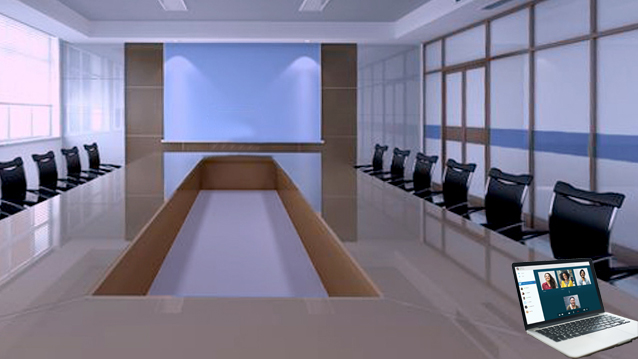
Once teams are assembled they need to work together. Teams and offices were able to be connected through video chat. Zoom, WebEx, GoToMeeting, Meets… they all existed before the pandemic, and on the screen was a collection of conference rooms, plus the few individuals remotely joining on their own.
For over a decade I worked for companies that introduced telecommuting policies, as some people wanted to work from home more and more. Some CTOs wanted a team in the office to collaborate. The Olde Guard assumed Butts in Seats meant productivity. But the work moved online. On-premise tech moved to the cloud. Even the infrastructure people who HAD to be in office moved to the cloud and can log in from anywhere. Companies were slowly testing out remote days, and even abandoning offices in favor of fully remote teams.
In the past few months the companies that wanted people back in the office started adding to job postings that the positions were temporarily remote. Now Elon Musk wants everyone back in. But there are still multiple offices to connect on Zoom. Clients will still be on calls to dial into. Scrum Teams will still have to dial into for Stand-Ups if at least 1 person on the team is remote.
In the before-times I was a fan of this practice, as “the rest” of the team could hang up from the call, linger in the conference room, and ideate on next steps. White boards in person are productive as people draw ideas and someone else can add to it. Ideas remain in rooms that you walk into and spark conversations. You go back to the watercooler and run into someone else that you haven’t seen in a while, from a different department, and casually cross-pollinate on ideas.
But as long as 1 person on the team is remote, all of the discussions need to go into Slack, all of the decisions need to be archived in Docs or Confluence or Wikis. Once standup is over, an engineer needs to go write code for the rest of the day. There is a spectrum of interruptibility for engineers, depending on roles and responsibilities, as well as personalities. In an office setting I’d seek someone to tap on the shoulder just to see who else to go to. If everyone is remote, you stop throwing nerf balls around to get people’s attention, and instead “do a little research” to figure out what to do next.
I think the pandemic helped level the playing field to remove the office-vs-remote bias and balance of power. No longer was a minority of people “dialing in” to the office where decisions were being made. Finally everyone had to act the same way. But is that how any company or bureaucracy worked before? Certain individuals are always excluded from final decisions, as hierarchies roll up information and managers are empowered to make informed decisions.
Remote onboarding is tough. Hard to say if it’s tougher than in-person. I agree with Visa chief executive Al Kelly Jr. that careers are based on networking and being visible for successes and overcoming failures, along with growing and learning. Jobs are fine remote. Even if we come back to the office, the work remains online. Some companies are ready to go back to the old argument of finding the right balance. 3 days a week in office? Half-days in the office? Come in for a meeting and lunch, and go back home or to your cubicle at the office for heads’ down time? So many options, it all depends on the team and the product’s needs.
I am happy to be working at Storable where no offices exist, and we are all remote, all together.
Leave a Reply
You must be logged in to post a comment.